Types of Volcanoes?
Cinder Cones Volcanoes
Composite Volcanoes
Shield Volcanoes

Lava Dome

What are the Top 10 most active Volcanoes in the world?
1. Eyjafjallajökull, Iceland

2. Mount Vesuvius, Italy

3. Sakurajima, Japan

4. Mount Merapi, Indonesia

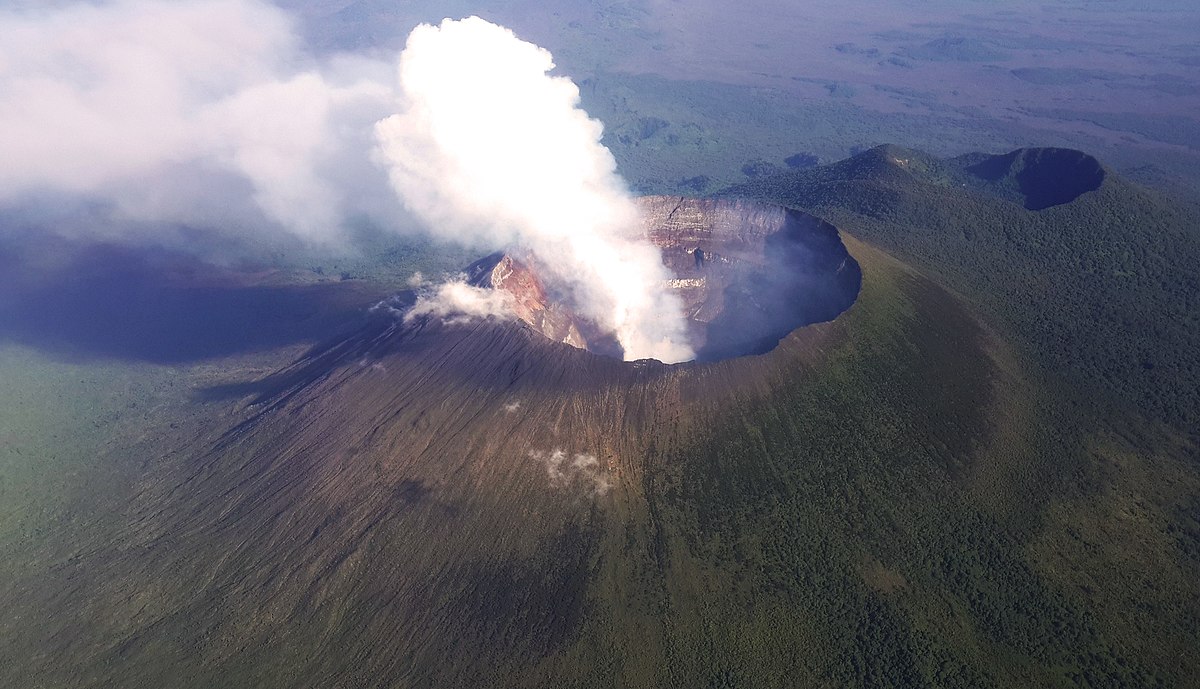
5. Mount Nyiragongo, D.R of Congo
6. Ulawun, Papua New Guinea

7. Taal Volcano, Philippines

8. Mauna Loa, Hawaii

9. Galeras, Colombia
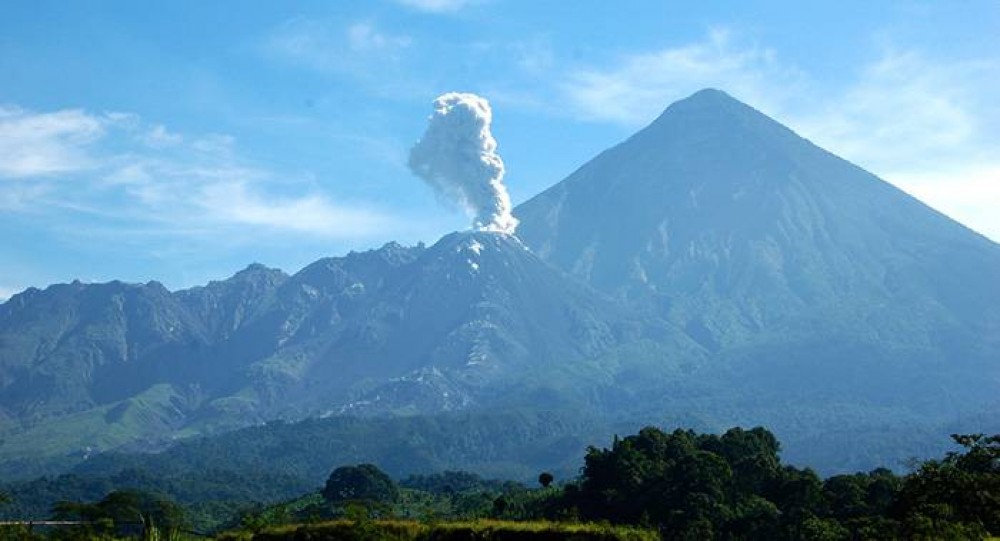
10. Santa María, Guatemala
What are the 5 biggest eruptions in the world?
Laki: 1783
Death toll: Several Million

Huaynaputina: 1600
Death toll: 2 million

Mount Tambora: 1815
Death toll: 90,000

Krakatoa: 1883
Death toll: 36,000

Mount Pelee: 1902
Death toll: 30,000
What super volcanoes could erupt in the future?
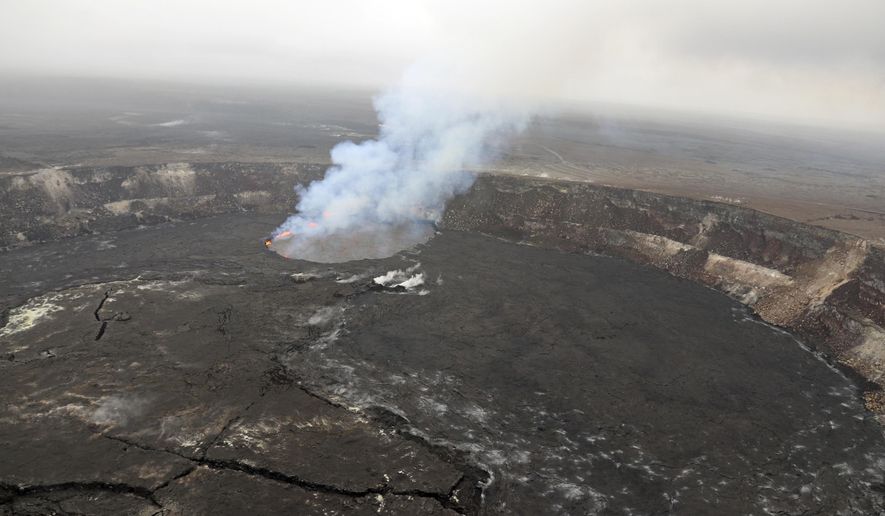
1.) Kilauea, US
2.)Villarrica, Chile
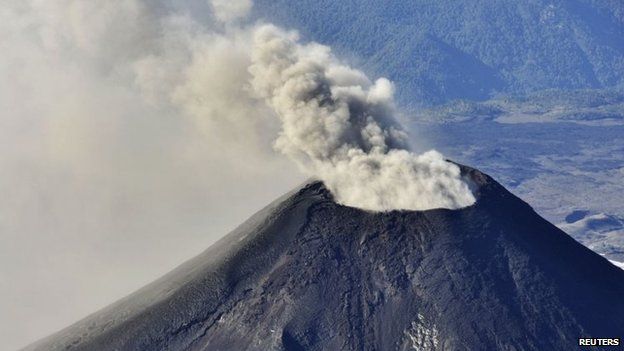
3.)Popocatepetl, Mexico

4.)Merapi, Indonesia
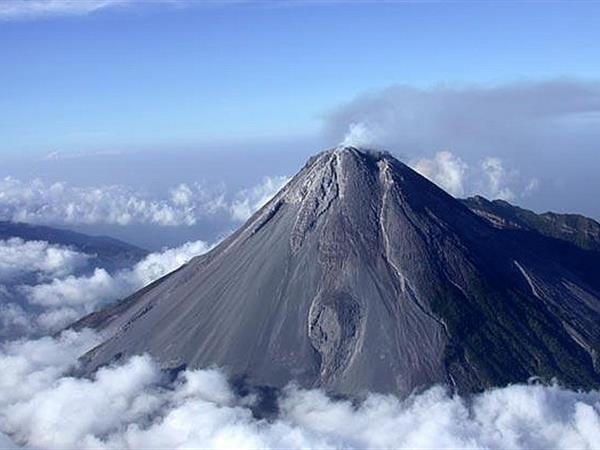
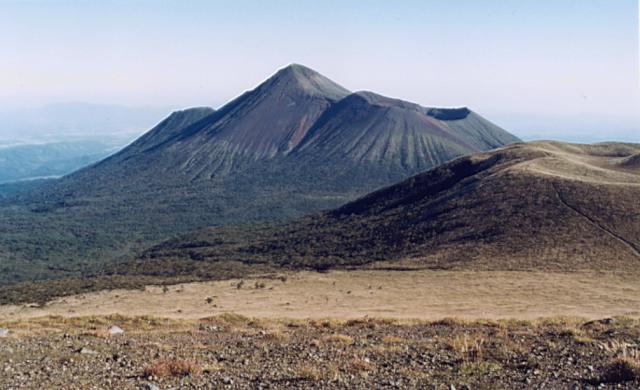
5.)Kirishima, Japan
What happens during an eruption?
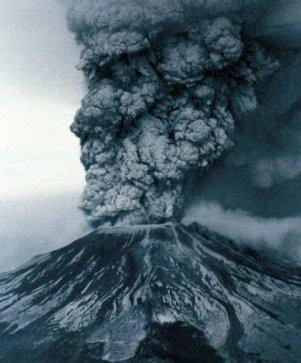
When magma reaches earth's surface it is called lava. It may pour out in gentle streams called lava flows or erupt violently into the air. Rocks ripped loose from the inside of the volcano or torn apart by the gas may be shot into the air with the lava. These rocks blown out of avolcano are called pyroclastic rocks.
6. Does the sun have an effect on volcanism?
In the climate model, both the reduced output from the sun and the increased amount of volcanic aerosols{fine particles which reflect sunlight away from the earth and which are ejected into the stratosphere by volcanic eruptions} contribute a sizeable amount to the northern hemisphere cooling seen in temperature reconstruction, their relative importance depends upon uncertain estimates of exactly how much each changed relative to a century later.
6. Does the sun have an effect on volcanism?
In the climate model, both the reduced output from the sun and the increased amount of volcanic aerosols{fine particles which reflect sunlight away from the earth and which are ejected into the stratosphere by volcanic eruptions} contribute a sizeable amount to the northern hemisphere cooling seen in temperature reconstruction, their relative importance depends upon uncertain estimates of exactly how much each changed relative to a century later.

No comments:
Post a Comment
Note: only a member of this blog may post a comment.